Boiler Repair in St. Albans, Queens
Reliable heating is essential for the comfort and safety of single-family, detached, and semi-detached homes across St. Albans and historic Addisleigh Park. When temperatures drop and your boiler fails to start, our experienced technicians deliver methodical diagnostic evaluations, burner troubleshooting, and code-compliant repairs for steam and hydronic heating systems.
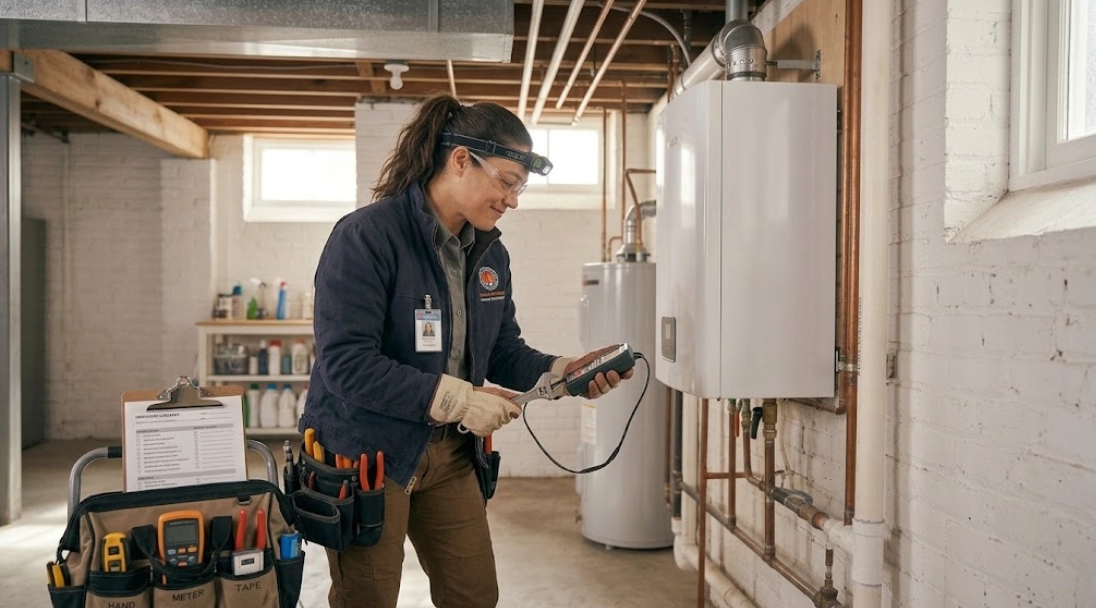
Understanding Residential Heating Systems in St. Albans & Addisleigh Park
The architectural character of St. Albans is defined by beautiful detached and semi-detached colonial, Tudor revival, and bungalow properties built during the 1920s through the 1950s. Many of these homes, especially throughout the historic Addisleigh Park enclave between Linden Boulevard and Murdock Avenue, retain heavy cast-iron boilers located in dedicated cellar spaces. These heating plants are engineered to provide either low-pressure steam heat or forced hydronic hot water.
Executing reliable boiler repair St. Albans Queens requires a thorough technical understanding of how these vintage heating systems interact with modern mechanical controls. While older cast-iron boiler blocks are exceptionally durable, the electromechanical components—such as low-water cutoffs, pressuretrols, aquastats, gas valves, and electronic ignition modules—experience continuous thermal stress. When a sudden cold snap arrives, weakened components can cause a complete heating outage or erratic thermal cycling.
Steam vs. Hot Water Boilers in Queens Residences
Proper diagnosis begins by determining whether your home relies on steam vapor or circulating hot water.
Steam Boiler Systems
Prevalent in classic homes near St. Albans Park, steam heating operates by boiling water to create steam that rises naturally under low pressure (typically 0.5 to 2.0 PSI) through iron risers to cast-iron radiators. If you need specialized steam boiler repair St. Albans Queens, critical diagnostic checkpoints include the glass water level gauge, the automatic water feeder, the low-water cutoff float chamber, and the main steam vents located along cellar piping headers.
Hydronic Hot Water Systems
Common in mid-century homes and renovated properties, hydronic boilers circulate closed loops of hot water (typically 160°F to 180°F) using electric circulator pumps. For homeowners seeking dependable hot water boiler repair St. Albans Queens, key inspection items involve the expansion tank, pressure reducing feed valve, backflow preventer, zone valves, and high-limit aquastat controls that regulate water temperature.
Warning Signs Your Boiler Requires Professional Attention
Recognizing early symptoms prevents mid-winter boiler shutdowns and costly property damage.
Total Loss of Heat
When radiators remain stone cold and the thermostat calls for heat without response, a no heat boiler repair St. Albans Queens visit is necessary to test electrical safety switches, flame sensors, and gas valve relays.
Burner Fails to Ignite
If your heating unit makes clicking sounds or repeatedly locks out, specialized gas boiler repair St. Albans Queens is required to inspect spark igniters, thermocouple sensors, and combustion draft hoods.
Unusual Pressure or Water Loss
Rapid water consumption in a steam unit or water discharging from a 30-PSI pressure relief valve indicates serious internal control failure, waterlogged expansion tanks, or cracked heat exchanger sections.
Uneven Radiator Heating
When some rooms stay chilly while others overheat, the issue often stems from airbound piping loops or failed steam vents rather than the boiler itself, pointing to our radiator repair service.
Banging or Clanking Noises
Water hammer banging inside pipes occurs when steam contacts pooling cold condensate in unpitched pipes, or when mineral scale creates kettle-boiling noises inside hydronic heat exchangers.
Water Pooling Around the Base
Puddles beneath the boiler may indicate leaking pipe nipples, a weeping relief valve, failing circulator flanges, or structural fractures in aging cast-iron push nipples.
Common Mechanical Causes Behind Boiler Failures
When a homeowner finds their boiler not working St. Albans Queens during freezing weather, several specific mechanical components are frequently responsible:
- Low-Water Cutoff (LWCO) Malfunctions: Sediment accumulation in float chambers can fool the mechanism into locking out the burner even when adequate water exists, or worse, allow the burner to fire when dry.
- Pressuretrol & Aquastat Miscalibration: Steam boilers rely on a pressure switch (Pressuretrol) that must be calibrated to cut out at safe low pressures. Hot water boilers rely on aquastats to modulate burner cycling.
- Pressure Relief Valve Discharge: If pressure exceeds 15 PSI on steam or 30 PSI on hydronic systems, the safety valve lifts to prevent catastrophic over-pressurization.
- Circulator Pump & Relay Failures: In hydronic systems, burned-out pump motors, stuck impellers, or faulty switching relays prevent heated water from circulating to living areas.
- Pilot Light & Flame Rectification Issues: Modern electronic ignition modules monitor the presence of flame via microamp rectification. Dirty or oxidized flame rods cause immediate safety lockouts.
What to Expect During a Professional Diagnostic Visit
We approach every heating service call with methodical diagnostic troubleshooting.
Safety & Electrical Inspection
We test incoming line voltage, check emergency disconnect switches, examine low-voltage transformer output, and verify proper thermostat communication.
Water Level & Pressure Verification
We inspect gauge glasses, test automatic feed valves, confirm system hydrostatic pressure, and check for signs of internal waterlogging or leakage.
Combustion & Burner Testing
Our technicians test gas supply pressure, clean flame sensors, inspect pilot burners, and verify chimney draft to ensure clean, safe combustion without carbon monoxide risks.
Distribution & Cycle Check
We observe a full operational firing cycle, verify proper safety shutoff thresholds, and assess heat delivery to radiators or baseboards throughout the house.
Repair vs. Replacement: Making an Informed Decision
Not every boiler issue requires replacing the entire heating plant. In fact, many common problems—such as a failed thermocouple, sticky relief valve, or leaking sight glass gasket—can be resolved through targeted repairs. However, when an existing cast-iron boiler reaches 20 to 30 years of age, replacement becomes a serious consideration.
Key factors in evaluating repair versus replacement include:
- Heat Exchanger Integrity: If the internal cast-iron block is cracked or leaking water between sections, replacement is generally required because welding cast iron under pressure is rarely viable.
- Frequency of Breakdowns: If you find yourself repeatedly calling for service each winter, ongoing component replacements may exceed the cost of modern, high-efficiency equipment.
- Energy Efficiency & Sizing: Many older boilers in St. Albans homes were oversized when converted from coal or oil decades ago. A modern boiler replacement sized accurately to your home’s radiator capacity significantly reduces gas consumption.
Safe Steps to Take While Waiting for Service
While awaiting a technician's arrival, prioritize household safety:
- Do not attempt internal gas valve repairs: Never bypass safety switches, jump thermostat wires, or tamper with gas regulators.
- Keep cellar walkways clear: Ensure a clear, unobstructed path to the boiler, main gas meter, and electrical service panel.
- Maintain freeze protection: If the house is getting dangerously cold, open under-sink cabinet doors and allow faucets to drip slightly to prevent plumbing lines from freezing.
- If you smell gas, evacuate immediately: Do not touch light switches or phones inside the home. Vacate the premises and call the gas utility (National Grid) or 911 from outside.
Frequently Asked Questions About Boiler Repair
Common questions from St. Albans homeowners regarding residential heating problems.
What should I check first when my boiler is not working in St. Albans?
Before calling, verify that the emergency burner switch (frequently red-plated at the cellar doorway) is switched on, confirm the thermostat is set higher than room temperature in HEAT mode, and check if your circuit breaker has tripped. If your steam boiler has a sight glass, inspect the water level. Never attempt to manually override gas controls or ignite a malfunctioning burner.
Why does my steam boiler lose water or require constant manual feeding?
Steam boilers operate on a closed cycle where evaporated water returns as condensate. Rapid water loss suggests leaking radiator air vents, cracked pipe fittings along basement returns, a failed boiler section, or a malfunctioning automatic water feeder. Excessive fresh water intake introduces corrosive oxygen that accelerates boiler rusting.
What is the typical difference between steam and hydronic hot water boiler systems?
Steam boilers boil water to create vapor at low pressure (typically 0.5 to 2 PSI) that rises through pipes to cast-iron radiators. Hydronic hot water systems keep the entire boiler and piping loop completely filled with water under pressure (12 to 18 PSI), using electric circulator pumps to move hot water through baseboards or radiators.
How does a low-water cutoff protect a residential boiler from heat damage?
A low-water cutoff is a mandatory safety switch that immediately shuts off power to the gas burner if water in the boiler falls below a safe operating threshold. Operating a boiler without adequate water causes the cast-iron sections to overheat, crack, or warp, creating severe structural damage and combustion hazards.
Comprehensive Plumbing & Heating Services
Explore our specialized mechanical solutions for residential properties across Southeast Queens.
Boiler Replacement
Accurate heat-loss sizing, oil-to-gas conversions, code-compliant venting, and professional installation of high-efficiency steam and hydronic heating units.
Steam Heat & Radiator Repair
Eliminating noisy water hammer banging, repairing leaking valves, replacing failed air vents, and restoring balanced steam distribution to all floors.
Water Heater Repair
Diagnosing no-hot-water emergencies, gas burner issues, sediment buildup, pilot outages, and indirect water heater coils connected to heating boilers.
Sewer Line Repair
High-resolution video camera inspections, tree root intrusion clearing, spot excavations, and compliant repairs for private building sewer connections.
Sump Pump & Flood Protection
Protecting Queens basements from rising water tables and storm runoff with heavy-duty sump pumps, battery backups, and sewer backwater valve installations.
Gas Line Repair & Inspection
Pressure testing, gas appliance hookups, pipe replacements, and compliance inspections in accordance with NYC Department of Buildings standards.
Drain Cleaning
Clearing stubborn kitchen sink clogs, grease buildup, bathroom drain blockages, and main house drain restrictions using commercial mechanical cabling.
Service Areas
Providing heating diagnostics and plumbing assistance across St. Albans, Addisleigh Park, Cambria Heights, Hollis, Springfield Gardens, and South Jamaica.
Contact Our Dispatch Desk
Speak directly with our team at (315) 202-8009 to discuss symptoms, review what to prepare before calling, and schedule an onsite diagnostic visit.
Serving St. Albans, Addisleigh Park & Nearby Communities
We provide dedicated heating service throughout St. Albans, whether you need boiler repair near Addisleigh Park, service along Linden Boulevard or Merrick Boulevard, or heating diagnostics for properties near St. Albans Park. Our service scope also extends to homeowners seeking boiler repair near Cambria Heights and boiler repair near Hollis. Explore our dedicated Service Areas page for detailed coverage.